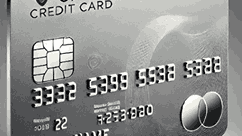
A contactless credit card is a modern financial tool designed to allow fast, secure, and convenient payments using near-field communication (NFC) technology. With contactless payment systems, users simply tap or place their cards close to a compatible payment terminal without inserting the card or entering a PIN for small transactions. This tap-to-pay method significantly speeds up checkout processes, enhances transaction security through encrypted data, and reduces physical contact with payment machines. As digital payments continue growing around the world, contactless credit cards have become essential for quick retail purchases, transportation fare systems, online-to-offline integrations, and everyday financial interactions.

What Is A Credit Card?
A credit card is a financial instrument issued by a bank or lender that allows users to borrow funds for purchases and repay later, typically with interest. It comes with preset credit limits, billing cycles, minimum repayment terms, and security features for safe transactions. Credit cards can be used in physical stores, online platforms, and mobile apps, making them highly convenient for personal and business spending.
Understanding The Technology Behind A Contactless Credit Card
Contactless credit cards work through embedded NFC chips that wirelessly transmit encrypted payment data to card readers. Unlike magnetic stripe or chip-and-PIN methods, contactless technology does not require swiping or inserting the card, allowing faster and frictionless checkouts. The NFC chip activates only when it comes within a few centimeters of a compatible terminal, ensuring controlled communication. Banks and card issuers use multiple layers of security, such as dynamic authentication codes and tokenization, to prevent card cloning or fraud. This makes contactless transactions both time-efficient and secure, ideal for busy retail environments, fast-food outlets, fuel stations, and transportation systems where speed matters.
Advantages Of Using A Contactless Credit Card
A contactless credit card offers numerous benefits, including quick payment speeds, enhanced security, reduced physical contact, and improved convenience. Tap-to-pay transactions usually take under two seconds, making them significantly faster than traditional card methods. Security is strengthened through encrypted NFC communication and single-use transaction codes that render data useless to unauthorized parties. Users also benefit from reduced card wear-and-tear and increased hygiene by avoiding repeated handling of terminals. Contactless credit cards are ideal for everyday purchases such as groceries, transportation fares, and small retail purchases, making them a preferred choice for consumers seeking seamless and efficient financial experiences.
How A Contactless Credit Card Enhances Security
Security is a major advantage of contactless credit cards. Each tap generates a unique, temporary code, ensuring that even if a transaction were intercepted, the stolen information would not be reusable. Contactless cards must be extremely close to payment terminals to activate NFC communication, minimizing accidental or unauthorized transactions. Most card issuers set small payment limits for tap-to-pay transactions without PINs, offering extra control and protection. Furthermore, spending alerts, real-time notifications, and card-freezing options give cardholders complete oversight of their financial activity. With such robust safety measures, contactless credit cards are as secure, if not more secure, than traditional payment methods.
Where You Can Use A Contactless Credit Card
Contactless credit cards can be used at retail stores, restaurants, supermarkets, gas stations, pharmacies, cinemas, and public transportation systems equipped with NFC payment terminals. They are also accepted at vending machines, parking meters, toll points, and service kiosks that support tap-to-pay technology. Many businesses display the contactless symbol at their checkout points, indicating that customers can complete transactions with a simple tap. Contactless cards are also compatible with mobile wallets, enabling seamless integration with smartphones and smartwatches for digital payments. The wide acceptance of contactless payment systems continues to grow globally, increasing flexibility and convenience for cardholders.
Comparing Contactless Credit Cards To Traditional Credit Cards
While both contactless and traditional credit cards offer credit access, rewards, and financial flexibility, contactless cards provide faster and more convenient payment options. Traditional cards require inserting the chip or swiping the magnetic stripe, followed by PIN entry or signature verification. Contactless cards skip these steps by allowing users to tap and go. However, both card types share similar security features, including fraud monitoring, encryption, and zero-liability policies. The key difference lies in transaction speed and convenience, making contactless credit cards more suitable for quick-service environments. Despite this, traditional methods remain important for large transactions requiring authentication.
Limitations Of A Contactless Credit Card
Although contactless credit cards offer many advantages, they also have limitations. Some merchants, especially in small or rural areas, may not have NFC-enabled terminals, requiring card insertion or swiping instead. Contactless cards often include transaction limits before a PIN becomes necessary, which may not accommodate large purchases. Additionally, users may mistakenly believe tap-to-pay is less secure, leading to hesitation, even though the technology is highly protected. Contactless functionality can wear down over time, requiring card replacement. Despite these drawbacks, contactless credit cards remain a widely trusted and increasingly adopted payment method.
Future Innovations In Contactless Credit Cards
The future of contactless credit cards includes enhanced biometrics, integrated digital identities, and improved NFC ranges that maintain top-tier security. Biometric verification, such as fingerprint sensors embedded in cards, promises stronger protection and personalized authentication. Tokenization advancements will allow more secure and versatile interactions across mobile, wearable, and card-based platforms. Artificial intelligence may analyze spending patterns to detect fraud in real time. As global adoption expands, contactless payment systems will integrate seamlessly with online ecosystems, public infrastructure, and next-generation financial services.
Conclusion
Contactless credit cards have transformed modern payments by offering speed, convenience, and enhanced security. Their tap-and-go system eliminates lengthy transaction processes while ensuring encrypted, protected communication. As NFC technology continues to expand globally, contactless credit cards will remain central to the evolution of digital payments, smart retail systems, and fast everyday transactions.
Frequently Asked Questions
1. What Is A Contactless Credit Card?
A contactless credit card is a modern payment card equipped with NFC technology that allows users to complete transactions by tapping or placing the card near a compatible terminal rather than inserting it. When the card is tapped, it transmits encrypted, one-time-use codes that keep payment information secure. This method reduces checkout time and enhances safety by preventing physical wear on the card and minimizing contact with payment devices. Contactless credit cards are accepted in supermarkets, retail stores, transportation systems, gas stations, and many service locations. They require close proximity to the terminal, reducing accidental activations. They also include spending limits to ensure secure transactions, making them an efficient choice for everyday purchases and digital financial interactions.
2. How Does A Contactless Credit Card Work?
A contactless credit card works by using near-field communication technology that allows wireless communication between the card and payment terminal. When the card is placed near the reader, the internal chip sends an encrypted, single-use transaction code to verify the payment. This eliminates the need for swiping or inserting the card and entering a PIN for small transactions. The limited communication range ensures that the card only activates intentionally. Retailers, transportation systems, and services worldwide support this technology, providing rapid and secure checkout experiences. Contactless functionality protects user data through dynamic authentication processes, making it highly secure. Tap-to-pay transactions are completed within seconds, offering unparalleled convenience for customers.
3. Are Contactless Credit Cards Safe?
Contactless credit cards are extremely safe due to encryption, dynamic authentication codes, and very short communication range. Each tap generates a unique, temporary code that cannot be reused, making data theft nearly impossible. Since the card must be within centimeters of the terminal, accidental or unauthorized scans are unlikely. Banks also enforce daily and per-transaction limits for tap-to-pay purchases. If a card is lost or stolen, users can immediately disable it through mobile banking apps. Real-time notifications alert cardholders of every transaction, enhancing account monitoring. These layered protections make contactless credit cards as secure as traditional chip-and-PIN methods, and often even more secure.
4. What Are The Benefits Of Using A Contactless Credit Card?
Using a contactless credit card offers quick transaction speeds, improved convenience, enhanced security, and reduced physical interaction with payment terminals. Tap-to-pay transactions take only seconds, ideal for busy locations like supermarkets, transport systems, and fast-food restaurants. Security is strengthened through encrypted communication and one-time-use codes that prevent fraud. The limited scan range ensures intentional transactions only. Contactless cards also reduce wear on the card itself, extending its lifespan. Many retailers worldwide now support tap-to-pay systems, making the technology widely accessible. These features make contactless credit cards a preferred choice for modern consumers who value speed, hygiene, and secure payments.
5. Can A Contactless Credit Card Be Used Anywhere?
A contactless credit card can be used at any merchant equipped with NFC-enabled payment terminals. Many supermarkets, restaurants, retail stores, gas stations, pharmacies, and transportation hubs support tap-to-pay technology. The presence of the contactless symbol on a terminal or checkout counter indicates compatibility. However, not all small businesses or rural merchants may support it. For online purchases, contactless cards function like regular credit cards. They also integrate seamlessly with mobile wallets, allowing users to make payments using smartphones and smartwatches. The adoption of contactless systems globally continues to increase, making usage more widespread every year.
6. What Is The Difference Between A Contactless Credit Card And A Traditional Credit Card?
The main difference lies in how payments are processed. A traditional credit card requires swiping, inserting a chip, or entering a PIN, while a contactless credit card allows quick payments through tapping. The contactless option uses NFC technology and generates encrypted one-time codes for enhanced security. Both cards offer similar features such as credit limits, rewards, and fraud protection. Contactless cards excel in speed and convenience, particularly for everyday purchases. Traditional methods remain essential for larger transactions requiring authentication. Many modern cards combine both technologies, offering dual functionality.
7. Is There A Limit To Contactless Credit Card Payments?
Yes, most card issuers set a maximum limit for tap-to-pay transactions to protect users from unauthorized use. These limits vary depending on the bank and country. Once the limit is reached, users must authenticate with a PIN or signature. These limits prevent potential misuse if a card is lost or stolen. Many banks also allow users to adjust contactless limits through mobile banking apps. Despite limitations, these safeguards ensure secure and convenient transactions for everyday spending.
8. Can A Contactless Credit Card Be Hacked?
Hacking a contactless credit card is highly unlikely due to advanced encryption and extremely short NFC communication range. The card transmits only a temporary authentication code during each transaction, not full card details. Potential attackers would need to be extremely close to the card, and even then, the stolen data would be useless. Tap-to-pay terminals authenticate the dynamic code only once. Modern cards also include fraud monitoring systems, spending alerts, and the ability to freeze the card instantly. These protections make contactless cards among the safest payment technologies available.
9. How Do I Know If My Credit Card Is Contactless?
You can identify a contactless credit card by checking for the wave-shaped contactless symbol printed on the card. This symbol resembles a Wi-Fi icon turned sideways and indicates that the card supports tap-to-pay technology. Some banks also highlight contactless features during card issuance. Additionally, mobile banking apps often list whether a card supports NFC payments. If the symbol is present, your card is equipped for fast and secure contactless transactions at compatible terminals.
10. What Happens If I Accidentally Tap My Contactless Credit Card Twice?
If you accidentally tap your contactless credit card twice, the system will not duplicate the transaction. Payment terminals are programmed to process only one transaction at a time and require the previous transaction to complete before initiating a new one. The brief processing delay prevents accidental double charges. If a duplicate ever occurs, banks typically reverse the extra charge immediately. Real-time transaction alerts further help users monitor all payment activity.
11. Can I Disable The Contactless Feature On My Credit Card?
Yes, many banks allow users to disable the contactless feature through mobile apps, online banking platforms, or customer service channels. Turning off contactless functionality ensures that only chip-and-PIN transactions are possible. Some users prefer this for personal security preferences. While tap-to-pay is secure, having control over enabling or disabling the feature adds flexibility. However, not all banks offer this setting, so users may need to request a non-contactless card if desired.
12. Can I Use A Contactless Credit Card For Online Purchases?
Yes, a contactless credit card can be used for online purchases just like traditional cards. The contactless feature only applies to physical NFC transactions, while online shopping requires entering the card number, expiration date, and CVV code. Many online platforms also support tokenized payments through mobile wallets linked to contactless cards. This ensures secure digital transactions while maintaining convenience and flexibility.
13. Do Contactless Credit Cards Wear Out Faster?
Contactless credit cards may experience wear on their contactless chip over time due to frequent tapping, but they generally last as long as traditional cards. The NFC antenna embedded in the card is durable and designed for daily use. Excessive bending or physical damage can weaken the antenna, but normal handling is sufficient for longevity. If the contactless function stops working, the chip and magnetic stripe still work. Banks typically replace worn-out cards for free.
14. Can I Use A Contactless Credit Card For Public Transport?
Yes, many public transportation systems worldwide support contactless credit card payments. Commuters simply tap their card on the terminal at entry points, eliminating the need for cash, tokens, or separate transit cards. Contactless payments streamline boarding processes and reduce wait times. These systems often support fare capping, ensuring riders never pay more than the daily or weekly maximum. This convenience makes contactless payments an excellent choice for daily travel.
15. What Should I Do If My Contactless Credit Card Is Lost?
If your contactless credit card is lost, immediately freeze or block the card through your bank’s mobile app or customer service. This prevents unauthorized transactions. Banks typically offer zero-liability protection for fraudulent charges. Request a replacement card with a new number. Many banks also allow temporary digital card issuance for mobile wallet use while waiting for the replacement. Taking quick action ensures your financial security remains intact.
16. Does A Contactless Credit Card Work With Mobile Wallets?
Yes, most contactless credit cards can be added to mobile wallets such as Apple Pay, Google Pay, and Samsung Pay. Mobile wallets use tokenization, replacing card details with secure digital tokens. Once linked, users can make tap-to-pay transactions with smartphones or smartwatches. This adds another layer of convenience and security. Mobile wallet payments often include biometric authentication, increasing protection against unauthorized use.
17. How Secure Is The Data On A Contactless Credit Card?
The data on a contactless credit card is highly secure due to SSL encryption, tokenization, and dynamic authentication codes. These technologies ensure that even if a signal were intercepted, the captured code would be useless to attackers. Contactless cards never transmit the card number or CVV directly. Additionally, banks monitor unusual activity and send real-time alerts. These measures ensure robust protection for all transactions.
18. Can A Contactless Credit Card Be Used Internationally?
Yes, contactless credit cards can be used internationally at any merchant with NFC-enabled terminals. Many countries actively promote tap-to-pay systems, especially in Europe, Asia, and North America. International usage may incur currency conversion fees, depending on the bank. Contactless payments offer quick transactions in airports, tourism venues, restaurants, and retail shops abroad. Always look for the contactless symbol at checkout counters.
19. What Fees Are Associated With Contactless Credit Cards?
Contactless credit cards typically do not charge additional fees for tap-to-pay transactions. Standard credit card fees, such as annual fees, interest charges, late fees, and foreign transaction fees, may still apply. Banks offer contactless functionality as a built-in benefit without extra cost. Users can check fee schedules through their bank’s terms and conditions. Contactless payments are designed to be fast, secure, and cost-effective.
20. Why Are Contactless Credit Cards Becoming More Popular?
Contactless credit cards are gaining popularity due to their speed, convenience, hygiene benefits, and security enhancements. Tap-to-pay transactions reduce checkout time significantly, improving customer experience. Businesses appreciate faster payment processing and shorter queues. The global shift toward digital transactions and mobile integration also accelerates adoption. Enhanced security measures, including encryption and dynamic codes, increase consumer trust. Together, these factors make contactless cards an essential part of modern payment systems.
FURTHER READING
- How Does A Virtual Credit Card Work? | Understanding How Virtual Credit Cards Work For Secure Online Transactions
- What Is A Virtual Credit Card? | Understanding Virtual Credit Cards For Secure Online Payments
- Can I Buy Cryptocurrency With A Credit Card? | A Guide To Buying Cryptocurrency With A Credit Card
- Can I Pay Taxes With A Credit Card? | A Complete Guide To Paying Taxes With A Credit Card
- Can I Pay Rent With A Credit Card? | Smart Ways To Pay Rent With A Credit Card And Avoid Extra Fees
- Why Was My Credit Card Application Denied? | Key Reasons Your Credit Card Application Was Denied And How To Fix Credit Card Application Denials For Better Approval Odds
- What Should I Do If My Credit Card Is Declined? | Essential Steps To Take When Your Credit Card Is Declined For Any Transaction
- Is It Safe To Use A Credit Card Online? | Secure Credit Card Safety Tips For Online Payments And Safe Credit Card Usage Online
- What Is The CVV On A Credit Card? | Understanding The CVV On A Credit Card For Safe Transactions
- What Is A Credit Card Number? | Understanding The Structure And Importance Of A Credit Card Number
Links To Related External Articles
How Does A Credit Card Work? A Guide To Understanding Credit Cards