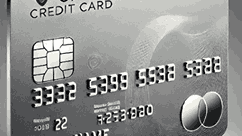
A credit card number is a unique sequence of digits assigned to a credit card that identifies the cardholder’s account and allows financial institutions to process transactions. Every credit card number is carefully structured to include information such as the card issuer, account number, and a check digit to validate the number’s authenticity. Credit card numbers are essential for online and in-store transactions, providing security and traceability for purchases. They also help financial institutions detect fraud and manage payments efficiently. Understanding the credit card number, its format, and its purpose can help cardholders use their cards responsibly and protect their financial information from misuse.

What Is A Credit Card?
A credit card is a financial tool issued by banks or financial institutions that allows individuals to borrow funds up to a predetermined limit to make purchases, pay bills, or withdraw cash. Unlike debit cards, which draw funds directly from a bank account, credit cards enable users to access a revolving line of credit that must be repaid with interest if not cleared within the billing cycle. Credit cards provide convenience, enhance purchasing power, and often come with rewards, cashback, or travel points. They also contribute to building a credit history, which can affect future loan approvals and interest rates. Responsible usage involves timely payments, monitoring credit limits, and protecting sensitive card information.
How Is A Credit Card Number Structured?
A credit card number is typically 16 digits long, though some cards have 13, 15, or 19 digits. The structure usually follows a standard format: the first digit identifies the card network (Visa, Mastercard, American Express, etc.), the first six digits represent the issuer identification number (IIN), the next digits signify the individual account number, and the final digit is the check digit, used to verify the number using the Luhn algorithm. This systematic structure ensures that each credit card number is unique, secure, and traceable. Understanding this structure is vital for detecting fraud, verifying transactions, and comprehending how card numbers link to specific accounts and financial institutions.
How To Protect Your Credit Card Number
Protecting your credit card number is crucial to prevent unauthorized transactions and identity theft. Cardholders should never share their full number, CVV, or PIN with anyone. Online purchases should only be made on secure websites with HTTPS encryption. Physical cards should be stored safely, and monthly statements should be reviewed for suspicious activities. Setting up transaction alerts, using virtual card numbers for online shopping, and regularly updating passwords on banking apps further enhances security. Being vigilant about phishing scams, fraudulent emails, and unknown calls asking for card details is essential. Taking these precautions can significantly reduce the risk of financial fraud and unauthorized use of your credit card number.
Why Credit Card Numbers Are Important
Credit card numbers are the backbone of electronic payments. They uniquely identify cardholders, link transactions to accounts, and enable smooth financial processing. For businesses, accurate credit card numbers ensure prompt payment settlement, reduce disputes, and maintain trust with customers. For individuals, they provide a record of spending and contribute to establishing and improving credit scores. In digital commerce, where physical presence is absent, the credit card number serves as proof of account ownership and facilitates instant transactions. The importance of credit card numbers extends to security, fraud prevention, and financial accountability, making them essential for both personal finance and global commerce.
Common Misconceptions About Credit Card Numbers
Many people believe that anyone with a credit card number can freely spend their money. While the number is essential, most transactions also require the CVV code, expiry date, or PIN for security verification. Another misconception is that memorizing the card number makes it safe; physical theft or phishing can still compromise it. Some assume that the number itself changes frequently, but it usually remains the same unless a replacement card is issued. Understanding these nuances helps cardholders adopt safer practices, reduce fraud risks, and use credit cards responsibly without falling for myths about instant or guaranteed access to funds.
How To Recognize Fraudulent Use Of Your Credit Card Number
Fraudulent activity can manifest as unexpected charges, unknown online transactions, or notifications of purchases never made. Monitoring account statements, setting up SMS or email alerts, and using bank apps can quickly detect unusual spending patterns. If fraud is suspected, reporting it immediately to the card issuer is critical, as most institutions have protections against unauthorized charges. Using secure networks, avoiding public Wi-Fi for transactions, and being cautious with unknown websites further reduces exposure. Recognizing early signs of misuse helps protect credit scores, prevents financial loss, and ensures that cardholders maintain control over their credit card numbers and overall financial security.
The Role Of Credit Card Numbers In Online Transactions
Online transactions rely heavily on credit card numbers for authorization and processing. The number works alongside the CVV, expiration date, and billing address to confirm identity and prevent fraud. Payment gateways encrypt this information to protect against interception, while card networks validate each transaction. E-commerce platforms store credit card numbers securely using tokenization, which replaces sensitive numbers with random tokens for safety. Understanding this role is important for consumers and businesses, ensuring safe online transactions, maintaining trust, and enabling seamless digital commerce while minimizing the risk of credit card number exposure.
Tips For Managing Multiple Credit Card Numbers
Many individuals have more than one credit card for rewards, balance transfers, or backup purposes. Managing multiple numbers requires organization to avoid missed payments, over-limit fees, and unnecessary debt. Using budgeting apps, maintaining a secure record of card details, and setting reminders for due dates can streamline management. Prioritizing payments by interest rates or rewards optimization helps save money. Each credit card number should be treated with care, ensuring that personal information remains confidential. Proper management enhances credit scores, prevents fraud, and allows cardholders to fully benefit from the features and rewards each card provides.
Conclusion
A credit card number is more than just a sequence of digits; it is a secure identifier essential for transactions, fraud prevention, and financial management. Understanding its structure, role, and proper handling allows cardholders to use credit cards safely and effectively. By following security best practices and monitoring usage, individuals can protect their financial information and enjoy the convenience and benefits of modern payment systems. Credit card numbers remain a fundamental element of personal finance and global commerce, bridging the gap between consumers and businesses with efficiency and security.
Frequently Asked Questions
1. What Is A Credit Card Number?
A credit card number is a unique set of digits assigned to a credit card account that identifies both the cardholder and the issuing bank. It typically contains 13 to 16 digits, structured to include the card network identifier, the issuer identification number, an individual account number, and a check digit used for validation. The number facilitates transactions, ensuring funds are correctly debited or credited to the appropriate account. It also helps detect fraudulent activity by allowing banks to track and verify purchases. Understanding a credit card number is essential for both financial security and responsible spending, especially when making online or international purchases where verification is crucial.
2. How Do I Find My Credit Card Number?
Your credit card number is prominently displayed on the front of your card, usually as a series of 16 digits, though some cards may have 13 or 15. For online transactions, you may also find it stored securely in your banking app or digital wallet. Never share the number publicly or with unverified parties to prevent fraud. If your card is lost or stolen, report it immediately to your bank to obtain a replacement with a new number. Understanding where to locate and how to protect your credit card number ensures safe usage and prevents unauthorized access to your account.
3. What Do The Numbers On A Credit Card Mean?
Each segment of a credit card number carries specific information. The first digit indicates the card network, such as Visa or Mastercard. The next five digits form the issuer identification number, identifying the bank or financial institution. Following digits are the individual account number unique to the cardholder, and the final digit is a check digit used to validate the card using the Luhn algorithm. Knowing what the numbers represent helps in understanding card processing, verifying authenticity, and identifying potential fraud attempts. Proper comprehension of these digits ensures cardholders use their credit cards wisely and safely.
4. Can Credit Card Numbers Be Hacked?
Yes, credit card numbers can be hacked through phishing scams, insecure websites, data breaches, or malware attacks. Hackers attempt to steal numbers along with CVV codes and expiration dates to make unauthorized purchases. Protecting your number involves using secure websites, monitoring statements, avoiding public Wi-Fi, and setting up alerts for unusual activity. Banks often provide fraud detection tools, and immediate reporting of suspicious activity can prevent financial loss. Awareness and caution significantly reduce the risk of hacking, ensuring your credit card number remains safe.
5. Is It Safe To Enter My Credit Card Number Online?
Entering your credit card number online is generally safe if you follow proper precautions. Ensure the website is secure, indicated by HTTPS and a padlock symbol in the browser. Avoid using public Wi-Fi for transactions and use virtual cards or one-time tokens when possible. Regularly monitor statements and report suspicious activity immediately. Secure storage of your number in trusted digital wallets adds convenience without compromising safety. Adopting these practices minimizes the risk of unauthorized access and protects your financial information during online transactions.
6. Why Is The Credit Card Number Important For Transactions?
The credit card number identifies the cardholder and their account, enabling financial institutions to process payments accurately. Without it, transactions cannot be authorized, and funds cannot be transferred. The number also helps detect fraudulent activity, ensures payment traceability, and links purchases to loyalty programs or rewards. For businesses, accurate numbers ensure proper billing and settlement, while for consumers, they provide accountability and a record of spending. Proper understanding of its importance encourages responsible usage and enhances security in all financial activities.
7. How Do Credit Card Numbers Prevent Fraud?
Credit card numbers include a check digit and are validated using algorithms like Luhn’s, which helps detect invalid or tampered numbers. Combined with CVV codes, expiration dates, and billing addresses, this ensures that only authorized users can complete transactions. Banks monitor unusual spending patterns and alert cardholders of suspicious activity. Tokenization and encryption in digital payments further protect the number. By using these features and vigilance, credit card numbers play a vital role in fraud prevention, safeguarding both cardholders and merchants from financial loss.
8. Can Two People Have The Same Credit Card Number?
No, every credit card number is unique to a cardholder’s account. While numbers follow a standardized structure, duplicates would cause serious errors in transactions and fraud detection. Financial institutions issue unique sequences to ensure each account is distinguishable. If two people somehow had the same number due to a system error, immediate reporting to the bank would be necessary. This uniqueness is critical for secure financial processing, tracking purchases, and preventing unauthorized use.
9. How Often Should I Change My Credit Card Number?
Credit card numbers generally remain the same until the card expires, is lost, stolen, or compromised. Banks may proactively issue new numbers in response to security breaches. Changing numbers too frequently is unnecessary unless there is a risk of fraud. If a cardholder suspects unauthorized use or wants to upgrade their card, requesting a new number ensures continued security. Monitoring statements regularly helps determine when a change is needed, maintaining both convenience and safety.
10. What Is The Luhn Algorithm And How Does It Relate To Credit Card Numbers?
The Luhn algorithm is a mathematical formula used to verify credit card numbers. The check digit, the last number of a credit card, is calculated using this algorithm. When processing transactions, banks apply the Luhn check to detect errors or fake numbers. It does not prevent fraud by itself but ensures that the number is structurally valid. Understanding its purpose highlights the role of credit card numbers in security, accuracy, and fraud detection, giving cardholders insight into why each digit matters.
11. Can I Memorize My Credit Card Number For Safety?
Memorizing your credit card number can reduce the need to carry the physical card and may prevent theft, but it is not foolproof against online or phone fraud. While helpful in emergencies, relying solely on memory does not protect against phishing or hacking. Using digital wallets, secure password managers, and transaction alerts provides additional safety. Balancing convenience with security ensures your credit card number is accessible when needed while minimizing exposure to unauthorized use.
12. How Do Banks Protect Credit Card Numbers?
Banks use multiple layers of security, including encryption, tokenization, fraud monitoring, and secure storage protocols to protect credit card numbers. They also implement transaction alerts, secure digital wallets, and one-time virtual card numbers for online purchases. Regular security audits and adherence to PCI DSS (Payment Card Industry Data Security Standard) ensure compliance and safeguard data. These measures minimize the risk of unauthorized access and help maintain trust between cardholders, merchants, and financial institutions.
13. What Should I Do If My Credit Card Number Is Stolen?
If your credit card number is stolen, contact your bank immediately to report the theft and block the card. The bank will issue a replacement with a new number. Review recent transactions to identify unauthorized charges, and dispute them as needed. Changing passwords for online banking, monitoring statements closely, and updating any automatic payments linked to the stolen number further reduces risk. Prompt action protects your finances and prevents long-term damage to your credit history.
14. Are Credit Card Numbers Different From Debit Card Numbers?
Yes, while both credit and debit cards have unique numbers, credit card numbers are linked to a line of credit issued by a bank, whereas debit card numbers are tied directly to a checking account. The structure and function may be similar, but credit cards allow borrowing with repayment, interest, and benefits like rewards, while debit cards draw from existing funds. Understanding these differences ensures cardholders use the appropriate card for their needs and manage finances responsibly.
15. How Do Virtual Credit Card Numbers Work?
Virtual credit card numbers are temporary, digital numbers linked to your real account. They can be used for online purchases to protect your actual credit card number. These numbers often have expiration dates, spending limits, and can be generated for one-time use or specific merchants. Virtual cards reduce exposure to fraud, maintain security, and allow cardholders to shop online confidently without sharing their main credit card number. They are particularly useful for recurring subscriptions or untrusted websites.
16. Can Credit Card Numbers Expire?
The number itself is linked to the card’s expiration date, which is typically printed on the front of the card. While the underlying account remains active, banks issue new numbers when cards expire to enhance security and update design features or benefits. Expiration dates also help prevent long-term use of lost or compromised cards. Monitoring expiration ensures continuity in transactions and maintains protection against unauthorized usage.
17. How Are Credit Card Numbers Used In Contactless Payments?
In contactless payments, credit card numbers are transmitted via NFC technology from the card or mobile wallet to the payment terminal. These transactions often use tokenization, replacing the actual number with a secure token, reducing the risk of theft. Contactless payments are fast, convenient, and secure, and the card number is only exposed virtually. Understanding this process reassures users of the safety and efficiency of modern payment technologies.
18. Are All Credit Card Numbers 16 Digits?
Not all credit card numbers are 16 digits. While 16-digit numbers are common for Visa and Mastercard, American Express cards often have 15 digits, and some cards may have 13 or 19. The length depends on the card network and issuing bank, but the fundamental structure remains consistent, including issuer identification, account number, and check digit. Knowing this helps cardholders verify validity and understand the nuances of different credit cards.
19. Can I Use A Credit Card Number Without The Physical Card?
Yes, in many cases, the credit card number, along with the expiration date and CVV, can be used for online or phone transactions without the physical card. Digital wallets and virtual cards allow secure transactions without needing to carry the card. However, some in-store transactions or cash withdrawals require the physical card or PIN for authentication. Using the number responsibly ensures secure and convenient access to credit.
20. How Can I Keep Track Of Multiple Credit Card Numbers?
Keeping track of multiple credit card numbers requires organization and security. Using secure password managers, encrypted spreadsheets, or digital wallets helps manage information safely. Set reminders for due dates, monitor statements regularly, and avoid storing all numbers in one place. Prioritizing high-interest or frequently used cards reduces the risk of missed payments. Proper management ensures security, responsible usage, and maximizes the benefits of having multiple credit cards.
FURTHER READING
- Can A Student Get A Credit Card? | A Comprehensive Guide On How Students Can Qualify For Credit Cards And Build Credit Responsibly
- How Old Do You Have To Be To Get A Credit Card? | Understanding The Age Requirements And Eligibility For Getting A Credit Card
- What Is The Easiest Credit Card To Get Approved For? | Top Tips To Find The Easiest Credit Card Approval Options
- How Long Does A Credit Card Approval Take? | Understanding The Typical Timeframe For Credit Card Approval And What Influences The Process
- What Is A Zero Interest Credit Card? | Understanding Zero Interest Credit Cards And How They Work
- How To Get A Low Annual Percentage Rate (APR) Credit Card | Tips And Strategies To Obtain A Credit Card With Low APR Rates
- What Is A Credit Card Annual Percentage Rate (APR)? | Understanding Credit Card APR, Interest Rates, And How They Affect Your Debt
- Common Mistakes To Avoid During A Credit Card Balance Transfer | Essential Credit Card Balance Transfer Mistakes To Avoid For Better Financial Management
- How Does A Credit Card Balance Transfer Work? | Understanding How A Credit Card Balance Transfer Works For Lower Interest, Debt Consolidation And Better Financial Control
- What Is A Credit Card Balance Transfer? | A Guide To Understanding Credit Card Balance Transfer
Links To Related External Articles
How Does A Credit Card Work? A Guide To Understanding Credit Cards