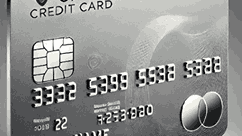
The CVV on a credit card, also known as the Card Verification Value, is a three or four-digit number printed on your credit or debit card. This number serves as an extra layer of security for online or card-not-present transactions. Unlike the card number itself, which identifies your account, the CVV is designed to verify that the person making the purchase physically possesses the card. Merchants often require the CVV during online purchases or over-the-phone payments to reduce the risk of fraud. Understanding what the CVV is, where it is located, and how to protect it is essential for anyone using credit cards in digital transactions.

What Is A Credit Card?
A credit card is a financial tool issued by banks and financial institutions that allows users to borrow funds up to a pre-approved limit to make purchases or pay for services. It functions as a revolving line of credit, where cardholders can carry a balance from month to month, paying interest on the borrowed amount if not settled in full. Credit cards provide convenience, security, and benefits such as rewards points, cash back, and fraud protection. Each credit card comes with a unique card number, expiration date, and CVV code to ensure secure transactions. Proper understanding of credit cards helps users manage finances responsibly while taking advantage of perks and maintaining good credit scores.
Where Is The CVV Located On A Credit Card?
The CVV is typically located on the back of your credit card, usually near the signature strip. For most cards, such as Visa, Mastercard, and Discover, the CVV is a three-digit number printed on the right-hand side of the signature panel. American Express cards are an exception, as their CVV appears as a four-digit code on the front of the card, above the card number. This positioning ensures that the CVV remains a secure authentication measure for online transactions and phone payments. Knowing the exact location of the CVV helps cardholders provide the correct information when completing transactions and reduces the risk of transaction declines or fraudulent activity.
Why Is The CVV Important?
The CVV is important because it adds an extra layer of protection against credit card fraud. Even if someone obtains your credit card number, they cannot complete an online or phone transaction without the CVV. This security measure ensures that only individuals in possession of the physical card can authorize purchases. Additionally, merchants are required to comply with PCI DSS standards, which mandate the verification of CVV codes during certain transactions to prevent unauthorized use. Understanding the importance of the CVV empowers users to safeguard their card information and enhances confidence when making online purchases or phone-based payments.
How To Protect Your CVV
Protecting your CVV is crucial for preventing unauthorized transactions. Never share your CVV with anyone, even over email or social media. Avoid storing the CVV in insecure places, such as mobile notes, emails, or unprotected websites. When making online purchases, only enter the CVV on secure, reputable websites that use HTTPS encryption. Be cautious when sharing card details over the phone and ensure the call is legitimate. Monitoring your credit card statements regularly can also help detect fraudulent activity early. By taking these steps, you maintain control over your credit card security and minimize the risk of identity theft or financial loss.
Common Misconceptions About CVV
Many people misunderstand the role of the CVV, thinking it can protect them from all types of credit card fraud. While it is an important security feature for online and card-not-present transactions, the CVV does not prevent theft of the physical card or unauthorized charges in person. Another misconception is that sharing the CVV with trusted friends or family is safe. In reality, even someone you know could misuse this information. Educating yourself about the CVV’s purpose and limitations ensures proper handling of card data and helps you avoid common security pitfalls.
Conclusion
Understanding the CVV on a credit card is essential for secure financial transactions in today’s digital world. It acts as a verification tool that complements your card number, ensuring that only authorized users can complete purchases. Knowing where the CVV is located, why it is important, and how to protect it empowers cardholders to make safe online transactions and reduce the risk of fraud. Proper credit card management, combined with awareness of CVV security, leads to safer, smarter financial habits and increased confidence in using digital payment methods.
Frequently Asked Questions
1. What Is The CVV On A Credit Card?
The CVV on a credit card is a three or four-digit security number used to verify that the person making an online or phone transaction possesses the physical card. It prevents unauthorized purchases even if the card number is stolen. Typically found on the back of Visa, Mastercard, and Discover cards and on the front of American Express cards, the CVV adds a vital layer of protection. Merchants require it to reduce fraud risks, and users must never share it with anyone. Understanding the CVV ensures secure online transactions, helps detect fraudulent activity, and is essential for anyone using credit cards for digital payments or phone orders.
2. How Many Digits Are In A CVV On A Credit Card?
A CVV typically has three digits on Visa, Mastercard, and Discover cards, while American Express cards use a four-digit code. This number is separate from the card number and expiration date, serving as a security feature for card-not-present transactions. The difference in digit length depends on the card network’s protocol. It is important to enter the CVV correctly during online purchases to avoid transaction declines. Despite its small size, the CVV plays a significant role in preventing unauthorized use and fraud, making it a crucial piece of information for secure digital and phone transactions.
3. Where Can I Find The CVV On My Credit Card?
The CVV is found on the back of most credit cards near the signature strip, usually as a three-digit number. For American Express cards, it appears as a four-digit code on the front above the card number. Knowing the exact location ensures correct input during online purchases or phone transactions. Merchants rely on this number to authenticate the cardholder and minimize fraud risk. Users should familiarize themselves with this location and avoid sharing it publicly. Proper awareness of the CVV location enhances security for digital transactions and helps prevent unauthorized charges.
4. Why Should I Keep My CVV Secret?
Keeping your CVV secret is vital because it prevents unauthorized users from completing online or phone transactions even if they have your card number. Sharing the CVV, storing it insecurely, or entering it on suspicious websites increases the risk of identity theft and fraudulent charges. The CVV acts as a verification tool, and maintaining its confidentiality ensures that only authorized individuals can use your card. By treating your CVV like a password and monitoring your statements regularly, you can protect your finances and minimize potential fraud losses.
5. Can Someone Use My Credit Card Without The CVV?
Without the CVV, it is difficult for someone to make online or phone transactions because most merchants require this code for verification. However, possessing only the card number may allow in-person fraud or breaches in systems that do not require CVV verification. This is why protecting your CVV and reporting lost or stolen cards promptly is essential. Regular monitoring of account activity and enabling transaction alerts further reduces risk. The CVV acts as a critical security measure, and safeguarding it ensures your credit card remains secure from unauthorized digital transactions.
6. Does Every Credit Card Have A CVV?
Yes, virtually every credit card issued today has a CVV, though the placement and digit count may vary by card network. Visa, Mastercard, and Discover cards use three-digit codes, while American Express uses four digits. The CVV is a security feature required for card-not-present transactions to verify that the cardholder possesses the physical card. Without a CVV, online and phone transactions would be more vulnerable to fraud. Understanding its presence and purpose is key to safe credit card usage, whether for online shopping, subscription services, or phone orders.
7. Can I Memorize My CVV For Convenience?
While memorizing your CVV can help you complete online purchases quickly, it is important not to write it down in unsecured locations like notebooks, emails, or digital notes. Memorization ensures the CVV remains private and reduces the risk of theft. However, always balance convenience with security, especially when using multiple cards. Relying on secure password managers that encrypt sensitive information can also be a safe alternative for storing CVV codes without compromising security. Safe handling practices help prevent unauthorized access and fraud.
8. Is The CVV The Same As The PIN?
No, the CVV is not the same as the PIN. The CVV is a three or four-digit number used for card-not-present transactions like online or phone purchases, while the PIN is a personal identification number used primarily at ATMs and point-of-sale machines for in-person verification. While both serve security purposes, the CVV authenticates possession of the card digitally, whereas the PIN authenticates the cardholder in physical transactions. Keeping both confidential is essential to prevent unauthorized access and fraudulent activity.
9. Can CVV Protect Me From All Credit Card Fraud?
While the CVV provides crucial security for online and card-not-present transactions, it cannot protect against all forms of credit card fraud. Physical theft, skimming, phishing attacks, and data breaches may still compromise your card. The CVV is an additional verification tool, not a complete safeguard. To maximize protection, use secure websites, monitor account activity, and promptly report suspicious transactions. Combining CVV security with responsible credit card management creates a more comprehensive defense against fraud.
10. How Do Online Merchants Use The CVV?
Online merchants use the CVV to verify that the person making the transaction has the physical card. During checkout, the CVV is entered alongside the card number, expiration date, and billing address. Payment gateways cross-check this information with the card issuer to authorize the transaction. The CVV helps reduce fraudulent activity by ensuring the cardholder is present at the time of the purchase. Proper use of the CVV by merchants protects both the consumer and the business from unauthorized transactions and fraud-related chargebacks.
11. Does The CVV Expire?
No, the CVV itself does not have an expiration date. However, when a credit card reaches its expiration date and is renewed or replaced, the CVV usually changes along with the card number for security purposes. Users should always reference the CVV on their current card when making transactions. Using an expired CVV may result in declined payments or failed transactions. Ensuring the CVV is up-to-date guarantees seamless online and phone purchases while maintaining security standards.
12. Can I Store My CVV On Shopping Sites?
Storing your CVV on shopping sites is generally discouraged unless the website is highly secure and compliant with PCI DSS standards. Even then, there is always a risk of data breaches. Instead, consider using virtual cards, tokenization services, or encrypted payment methods that protect your CVV during digital transactions. By limiting storage of CVV data online, you reduce exposure to cybercrime and unauthorized transactions, maintaining greater control over your credit card security.
13. What Should I Do If My CVV Is Stolen?
If your CVV is stolen or compromised, immediately contact your credit card issuer to report the issue. They may cancel the current card and issue a replacement with a new CVV. Monitoring recent transactions for unauthorized activity is also important. Avoid sharing your CVV with untrusted sources and update any saved payment methods to prevent further unauthorized use. Prompt action ensures that your finances remain secure and reduces the potential impact of fraud.
14. Are CVVs Required For All Online Transactions?
Most online merchants require the CVV for card-not-present transactions, including e-commerce purchases, subscription services, and phone orders. Some recurring payments may not require the CVV after the first successful transaction, depending on merchant policy. While not universally mandatory, providing the CVV increases transaction security and reduces the likelihood of fraud. It is considered a standard security practice for safe digital payments.
15. Can Someone Guess My CVV?
While theoretically possible, guessing a CVV is extremely unlikely due to the limited success rate and additional card verification checks. Most online payment systems require accurate card numbers, expiration dates, and CVVs to authorize transactions, making random guessing impractical. Nevertheless, keeping your CVV confidential and avoiding unsecure storage significantly reduces any potential risk from attempts to guess or misuse your code.
16. How Does CVV Work With Virtual Credit Cards?
Virtual credit cards, which are temporary digital cards linked to your main account, also have CVV numbers. These CVVs function just like physical card CVVs, verifying transactions without exposing your primary card’s details. Using virtual cards with CVVs adds security when shopping online, particularly on less familiar websites. It reduces the risk of fraud because the virtual card can often be limited in spending or set to expire after a single transaction, safeguarding your main account.
17. Do All Credit Card Networks Handle CVV The Same Way?
While the purpose of the CVV is consistent across networks—to verify cardholder possession—the placement and length of the CVV vary. Visa, Mastercard, and Discover use three-digit codes on the back, while American Express uses four-digit codes on the front. The validation process during transactions is similar, but slight variations exist in how each network communicates with merchants and processes CVV checks. Understanding these differences helps users correctly input CVVs for different card types.
18. Can I Use My CVV Without The Physical Card?
The CVV is designed to verify possession of the physical card, so it is generally not safe to use it without the card. Using the CVV alone with just the card number in unsecured ways increases the risk of fraud. Always ensure you have your card present when sharing the CVV or making transactions online, and only provide it to trusted merchants on secure websites. This ensures the CVV fulfills its purpose as a verification and fraud prevention measure.
19. Are CVVs Linked To Cardholder Identity?
The CVV itself does not store personal information or identify the cardholder. It is a security code associated with a specific card to verify possession during transactions. Identity verification typically relies on additional factors, such as billing addresses, cardholder name, or PINs for in-person use. Nevertheless, protecting your CVV is part of safeguarding your financial identity and preventing unauthorized use of your credit card.
20. How Can I Remember The CVV For Multiple Cards?
For multiple cards, memorizing each CVV individually can be challenging. Consider using a secure password manager that encrypts CVV information or creating a personal memory system to associate each CVV with a card. Avoid writing codes on paper or storing them in unencrypted digital notes. Regularly reviewing and practicing the memorization method ensures quick, secure access when making transactions while keeping the CVVs protected from unauthorized use.
FURTHER READING
- What Is A Credit Card Number? | Understanding The Structure And Importance Of A Credit Card Number
- Can A Student Get A Credit Card? | A Comprehensive Guide On How Students Can Qualify For Credit Cards And Build Credit Responsibly
- How Old Do You Have To Be To Get A Credit Card? | Understanding The Age Requirements And Eligibility For Getting A Credit Card
- What Is The Easiest Credit Card To Get Approved For? | Top Tips To Find The Easiest Credit Card Approval Options
- How Long Does A Credit Card Approval Take? | Understanding The Typical Timeframe For Credit Card Approval And What Influences The Process
- What Is A Zero Interest Credit Card? | Understanding Zero Interest Credit Cards And How They Work
- How To Get A Low Annual Percentage Rate (APR) Credit Card | Tips And Strategies To Obtain A Credit Card With Low APR Rates
- What Is A Credit Card Annual Percentage Rate (APR)? | Understanding Credit Card APR, Interest Rates, And How They Affect Your Debt
- Common Mistakes To Avoid During A Credit Card Balance Transfer | Essential Credit Card Balance Transfer Mistakes To Avoid For Better Financial Management
- How Does A Credit Card Balance Transfer Work? | Understanding How A Credit Card Balance Transfer Works For Lower Interest, Debt Consolidation And Better Financial Control
Links To Related External Articles
How Does A Credit Card Work? A Guide To Understanding Credit Cards