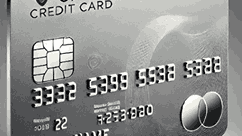
Contactless credit cards have revolutionized the way consumers make payments in today’s fast-paced digital economy. Unlike traditional credit cards that require swiping or inserting into a terminal, contactless credit cards utilize near-field communication (NFC) technology, enabling transactions with a simple tap on compatible payment terminals. The embedded microchip and antenna within the card securely transmit encrypted data to the merchant’s terminal, making payments faster and more convenient. With security features like dynamic authentication codes and transaction limits for added protection, contactless credit cards are both user-friendly and secure. As digital payments grow increasingly popular worldwide, understanding how these cards work can help consumers maximize convenience while minimizing risks.

What Is A Credit Card?
A credit card is a financial tool issued by banks or financial institutions that allows cardholders to borrow funds up to a predetermined limit to make purchases or pay for services. Unlike debit cards, which directly draw from a user’s bank account, credit cards provide a line of credit that must be repaid, often with interest if balances are not cleared by the due date. Modern credit cards come with multiple features, including rewards programs, cash-back options, and security measures such as chip technology, PIN codes, and contactless payment capabilities. They also help build credit history, improve financial flexibility, and offer consumer protection against fraud and unauthorized transactions. Understanding credit cards is essential to managing personal finances effectively.
How Contactless Credit Cards Transmit Data
Contactless credit cards communicate with payment terminals using near-field communication (NFC) technology. When a card is tapped on a compatible terminal, the embedded antenna generates a radio frequency signal, transmitting encrypted payment data to the merchant’s system. This process occurs in milliseconds, allowing swift completion of transactions. The data exchanged includes a one-time dynamic code instead of static information, reducing the risk of card cloning or fraud. Transactions are typically limited to a specific amount for added security, requiring PIN entry only for larger purchases. This technology ensures that payments remain secure while providing a seamless, fast, and convenient experience for consumers across retail, transportation, and service sectors.
Benefits Of Using A Contactless Credit Card
Contactless credit cards offer numerous advantages over traditional payment methods. The primary benefit is speed; consumers can complete transactions in seconds without inserting or swiping their card. This reduces queues in stores and provides a hygienic, touch-free experience. Security is another key advantage, as the dynamic data encryption and limited transaction amounts protect against fraud. Many cards also integrate with mobile wallets, allowing smartphone or smartwatch payments without carrying a physical card. Additionally, contactless payments encourage financial tracking through digital statements, reward programs, and budgeting tools, making them convenient for daily use while ensuring safety and ease of use.
Security Features Of Contactless Credit Cards
Security is a critical factor in contactless credit card technology. Cards use dynamic authentication codes that change with each transaction, preventing fraudsters from using stolen data for unauthorized purchases. Transaction limits for contactless payments are set to minimize potential losses, while PIN verification is required for higher-value transactions. Most banks also provide real-time alerts, fraud monitoring, and instant card blocking in case of suspicious activity. NFC signals operate over short distances, making remote hacking nearly impossible. Collectively, these features ensure that contactless credit cards deliver both convenience and security, allowing users to confidently embrace digital payment solutions without compromising their financial safety.
How Contactless Credit Cards Differ From Traditional Credit Cards
Unlike traditional credit cards, which require insertion into a terminal or magnetic stripe swipe, contactless credit cards rely on NFC technology to complete transactions. The speed and simplicity of a tap reduce checkout times significantly, enhancing user convenience. Traditional cards are more vulnerable to physical wear and magnetic stripe fraud, whereas contactless cards use encrypted microchips to store transaction data securely. Many contactless cards also support integration with digital wallets, enabling mobile and wearable payments. While both card types share credit limits, interest rates, and rewards programs, the ease, security, and technological advancement of contactless credit cards make them increasingly popular in modern commerce.
Using Contactless Credit Cards Globally
Contactless credit cards are widely accepted across many countries, particularly in Europe, North America, and parts of Asia. Payment terminals at retail stores, restaurants, public transport, and vending machines are increasingly equipped to accept contactless payments, making international use seamless. Global networks such as Visa, Mastercard, and American Express provide support for secure cross-border transactions. Some countries enforce local transaction limits or additional authentication measures to prevent fraud, so understanding regional rules is essential for travelers. Overall, the global adoption of contactless credit cards reflects their convenience, speed, and security, reinforcing their role in the evolution of modern financial transactions.
Conclusion
Contactless credit cards represent a significant advancement in financial technology, combining speed, security, and convenience for everyday transactions. By utilizing NFC technology and dynamic authentication, these cards make payments faster and safer while offering integration with mobile wallets and digital services. As consumer demand for contactless payments grows, understanding how these cards work can help users maximize efficiency and protect their financial information. Embracing contactless credit cards is a practical step toward modern, secure, and convenient financial management in an increasingly digital world.
Frequently Asked Questions
1. How Does A Contactless Credit Card Work?
A contactless credit card works by using near-field communication (NFC) technology that allows the card to communicate wirelessly with a compatible payment terminal. When the card is tapped on or held near the terminal, the embedded microchip and antenna transmit encrypted payment information to the merchant’s system. This process is completed within milliseconds and uses dynamic security codes for each transaction, reducing the risk of fraud. Small transactions may not require a PIN, while larger payments often do. Contactless credit cards are widely accepted at stores, restaurants, and public transport systems, offering convenience, speed, and security. Integration with mobile wallets and wearables further expands their usability in daily life.
2. What Are The Advantages Of Using A Contactless Credit Card?
Contactless credit cards provide numerous benefits, including faster transaction times, convenience, and reduced physical contact during payments. They employ dynamic encryption, which enhances security and reduces fraud risks. Users can tap their card or device for quick transactions, avoiding long queues. Many cards offer rewards programs and integrate seamlessly with mobile wallets, enhancing usability. They also provide transaction alerts and budgeting tools to track spending. With secure short-range communication and limited transaction thresholds, contactless credit cards combine efficiency, practicality, and safety, making them ideal for modern consumers seeking streamlined and secure payment options.
3. Is It Safe To Use A Contactless Credit Card?
Yes, using a contactless credit card is safe due to multiple layers of security. The card employs dynamic encryption codes that change with every transaction, making unauthorized replication nearly impossible. NFC signals operate over very short distances, minimizing the risk of remote hacking. Transaction limits are enforced for small payments, while larger purchases require PIN authentication. Banks monitor transactions for unusual activity and provide instant alerts, allowing quick response to potential fraud. Overall, the combination of encrypted communication, limited exposure, and real-time monitoring ensures that contactless credit cards offer a secure payment method.
4. How Fast Are Contactless Credit Card Transactions?
Contactless credit card transactions are extremely fast, typically completing in less than a second. The NFC-enabled card communicates wirelessly with the terminal, transmitting encrypted payment data almost instantaneously. This eliminates the need for swiping, inserting, or signing receipts for small transactions, significantly reducing checkout times. Even larger payments that require PIN verification remain faster than traditional payment methods. The speed advantage improves customer experience, particularly in busy retail environments, public transportation, and food service industries, where efficiency is essential. Faster transactions also reduce queue times, making contactless payments a preferred option for both consumers and merchants.
5. Can Contactless Credit Cards Be Used For Online Payments?
Contactless credit cards are primarily designed for in-person transactions using NFC technology. However, they can also be used for online payments in the same way as regular credit cards, where the card number, expiration date, and CVV code are entered during checkout. Many cards support integration with digital wallets like Apple Pay, Google Wallet, or Samsung Pay, enabling secure online and in-app purchases. Digital wallet platforms use tokenization and encryption to protect user data, making online payments safe. While contactless functionality is specific to physical terminals, the card itself functions as a standard credit card for all digital and online transactions.
6. What Are The Transaction Limits For Contactless Credit Cards?
Transaction limits for contactless credit cards vary by country and financial institution but are generally set for small to moderate payments to reduce fraud risk. Commonly, the limit ranges from $25 to $150 per tap, beyond which PIN authentication or signature verification is required. Some banks allow cardholders to customize limits or temporarily increase them through mobile banking apps. These limits balance convenience and security, enabling quick payments while protecting users from unauthorized transactions. Contactless limits may differ for international use, with local regulations or merchant policies affecting thresholds. Understanding these limits ensures users know when additional authentication may be needed.
7. How Do Contactless Credit Cards Prevent Fraud?
Contactless credit cards prevent fraud through multiple mechanisms, including dynamic authentication codes, encryption, and short-range NFC communication. Each transaction generates a one-time code, preventing data cloning. Transaction limits for tap payments reduce potential losses, while PIN verification is required for higher-value transactions. Banks employ real-time monitoring systems that detect unusual patterns and alert users immediately. Additionally, many cards allow instant blocking via mobile apps in case of loss or theft. Collectively, these features provide robust security, making contactless cards one of the safest payment methods available.
8. Can I Use A Contactless Credit Card Internationally?
Yes, contactless credit cards can be used internationally wherever the card network, such as Visa, Mastercard, or American Express, is accepted and the merchant has NFC-enabled terminals. However, local regulations may impose transaction limits or require additional authentication. Exchange rates, foreign transaction fees, and regional restrictions should be considered when using the card abroad. Integration with mobile wallets can simplify international payments by providing additional security layers and quick currency conversion options. Travelers should notify their bank of international travel to avoid declined transactions and ensure seamless use of their contactless credit card overseas.
9. How Does NFC Technology Work In Contactless Credit Cards?
Near-field communication (NFC) in contactless credit cards allows secure wireless communication between the card and payment terminal. The card contains an embedded antenna and microchip that generate a radio frequency signal when near a terminal. The terminal receives encrypted payment data, which is verified and processed by the card issuer. NFC operates over short distances, typically a few centimeters, preventing unauthorized remote access. This technology enables quick, tap-and-go payments without swiping or inserting the card. Dynamic encryption and unique transaction codes further enhance security, making NFC a core technology behind the convenience and safety of contactless credit cards.
10. Do Contactless Credit Cards Require A PIN For Every Transaction?
No, contactless credit cards do not require a PIN for every transaction. Small payments under a preset threshold, often ranging from $25 to $150, can be completed with a simple tap. For larger transactions exceeding the limit, PIN entry or signature verification is required. This system balances convenience and security, allowing fast, everyday purchases while protecting against fraud for higher-value transactions. Some banks offer customization of these limits through mobile apps, and continuous monitoring ensures any suspicious activity is flagged. Users benefit from the speed of contactless payments without compromising the safety of significant transactions.
11. Can Contactless Credit Cards Be Hacked?
While no system is completely immune, contactless credit cards are extremely difficult to hack. NFC communication occurs over very short distances, making remote interception challenging. Dynamic authentication codes, encryption, and transaction limits further protect against unauthorized use. Banks monitor unusual transactions and provide instant alerts for suspicious activity. Physical shielding options, such as RFID-blocking wallets, offer an added layer of protection. Overall, the combination of short-range communication, real-time monitoring, and encryption ensures that contactless credit cards remain one of the safest payment options available for consumers.
12. Are Contactless Credit Cards Accepted Everywhere?
Acceptance of contactless credit cards is growing rapidly but is not yet universal. Major retailers, restaurants, public transportation systems, and vending machines often support NFC payments. Acceptance depends on the merchant having a contactless-enabled terminal and participation in a card network like Visa, Mastercard, or American Express. In regions where infrastructure is still catching up, some merchants may only accept traditional card methods. Consumers are encouraged to carry a backup payment method for locations that do not yet support contactless payments. Overall, availability continues to expand, particularly in urban centers and developed markets worldwide.
13. How Do Mobile Wallets Work With Contactless Credit Cards?
Mobile wallets such as Apple Pay, Google Wallet, and Samsung Pay store digital versions of contactless credit cards on smartphones or smartwatches. When making a payment, the device communicates with the terminal using NFC, similar to a physical card. Mobile wallets generate tokenized data instead of transmitting actual card numbers, enhancing security. Users can also authenticate transactions with biometrics like fingerprints or facial recognition. These digital wallets offer convenience for everyday purchases, eliminate the need to carry multiple cards, and provide added layers of protection against theft or fraud. Mobile wallets extend the benefits of contactless credit cards to digital and wearable devices seamlessly.
14. Can I Set Spending Limits On My Contactless Credit Card?
Yes, many banks allow cardholders to set spending limits on contactless credit cards. These limits can apply to single transactions, daily totals, or specific merchant categories. Setting limits enhances security, helping prevent overspending and reducing the potential impact of lost or stolen cards. Some banks allow adjustment of limits through mobile banking apps, offering flexibility for varying financial needs. Transaction alerts and monitoring tools complement these limits, ensuring users remain informed of card activity. Customizable spending limits provide both convenience and control, empowering cardholders to manage finances responsibly while enjoying the benefits of contactless payments.
15. What Should I Do If My Contactless Credit Card Is Lost Or Stolen?
If a contactless credit card is lost or stolen, the cardholder should immediately contact their bank to block the card and prevent unauthorized transactions. Most banks offer 24/7 customer service and instant mobile app options to freeze cards. Cardholders should review recent transactions and report any suspicious activity. Issuers typically provide a replacement card and may offer temporary digital card numbers for continued use through mobile wallets. Immediate reporting, combined with fraud monitoring and dynamic security features, minimizes financial risk. Staying proactive ensures the safety of funds and maintains uninterrupted access to secure payment methods.
16. Do Contactless Credit Cards Improve Budgeting And Spending Tracking?
Yes, contactless credit cards enhance budgeting and spending tracking by providing detailed digital records of transactions. Many banks offer mobile apps that categorize expenses automatically, issue real-time alerts, and generate monthly statements. This allows cardholders to monitor spending habits, set budgets, and manage financial goals efficiently. The convenience of tap payments encourages frequent use, and integration with rewards programs further promotes financial oversight. Additionally, secure and traceable transactions simplify expense tracking for personal finance management, making contactless credit cards an effective tool for both convenience and financial responsibility.
17. Can Contactless Credit Cards Be Linked To Bank Accounts?
Yes, contactless credit cards can be linked to bank accounts, either as part of a credit line issued by the bank or through integration with digital wallets. Linking enables automatic payment processing, balance updates, and access to transaction histories. Some banks allow users to choose repayment options, such as full balance payments or minimum installments, directly from linked accounts. Integration with mobile banking apps enhances convenience, allowing cardholders to monitor spending, set alerts, and manage finances seamlessly. The combination of bank connectivity and contactless functionality creates a comprehensive, efficient, and secure financial management system for modern consumers.
18. How Do Rewards Programs Work With Contactless Credit Cards?
Rewards programs associated with contactless credit cards function similarly to traditional cards but offer incentives for tap-and-go transactions. Cardholders may earn points, cashback, or miles for each purchase, which can be redeemed for goods, services, or travel. Many programs automatically track and update rewards through digital platforms, providing easy access to benefits. Integration with mobile wallets or apps allows users to monitor reward balances in real-time. Contactless payments encourage frequent usage, maximizing rewards accumulation while ensuring secure and convenient transactions. The combination of benefits, convenience, and security makes contactless cards attractive for consumers seeking financial perks with minimal effort.
19. Are Contactless Credit Cards Environmentally Friendly?
Contactless credit cards contribute to environmental sustainability by reducing the need for cash, which involves resource-intensive production and transportation. By enabling digital payments, they decrease the use of paper receipts when paired with e-statements and digital records. Additionally, integration with mobile wallets reduces reliance on multiple physical cards. While the production of the cards themselves requires materials, their long lifespan and the reduction in cash handling provide a net environmental benefit. As digital payment adoption grows, contactless cards represent a step toward more sustainable, paperless financial systems that minimize waste and energy consumption associated with traditional payment methods.
20. How Do Contactless Credit Cards Fit Into The Future Of Payments?
Contactless credit cards are central to the future of payments, aligning with the global trend toward digital, fast, and secure transactions. Their integration with mobile wallets, wearables, and IoT devices enhances convenience, while security features such as dynamic encryption and real-time monitoring address fraud concerns. Contactless technology is being adopted in retail, transportation, and service industries, reflecting consumer demand for efficiency. As digital economies expand, these cards facilitate seamless financial interactions across physical and online environments. Their adaptability, safety, and user-friendly nature ensure that contactless credit cards will remain a cornerstone of modern and future payment ecosystems.
FURTHER READING
- What Is A Contactless Credit Card? | A Guide To Understanding Contactless Credit Cards
- How Does A Virtual Credit Card Work? | Understanding How Virtual Credit Cards Work For Secure Online Transactions
- What Is A Virtual Credit Card? | Understanding Virtual Credit Cards For Secure Online Payments
- Can I Buy Cryptocurrency With A Credit Card? | A Guide To Buying Cryptocurrency With A Credit Card
- Can I Pay Taxes With A Credit Card? | A Complete Guide To Paying Taxes With A Credit Card
- Can I Pay Rent With A Credit Card? | Smart Ways To Pay Rent With A Credit Card And Avoid Extra Fees
- Why Was My Credit Card Application Denied? | Key Reasons Your Credit Card Application Was Denied And How To Fix Credit Card Application Denials For Better Approval Odds
- What Should I Do If My Credit Card Is Declined? | Essential Steps To Take When Your Credit Card Is Declined For Any Transaction
- Is It Safe To Use A Credit Card Online? | Secure Credit Card Safety Tips For Online Payments And Safe Credit Card Usage Online
- What Is The CVV On A Credit Card? | Understanding The CVV On A Credit Card For Safe Transactions
Links To Related External Articles
How Does A Credit Card Work? A Guide To Understanding Credit Cards