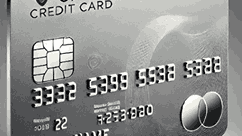
Credit cards are essential financial tools that allow you to make purchases, pay bills, and manage your finances efficiently. However, credit cards come with expiration dates, and using an expired card can lead to declined transactions or inconvenience. Knowing how to renew or replace an expired credit card ensures that you maintain uninterrupted access to your funds, avoid late fees, and continue enjoying the benefits of your card. This guide provides a detailed walkthrough of the renewal and replacement process, tips for avoiding delays, and insights on managing your credit card effectively to prevent lapses in usage.

What Is A Credit Card?
A credit card is a financial instrument issued by banks or financial institutions that allows cardholders to borrow funds within a pre-approved credit limit. Credit cards provide convenience for making purchases in stores, online shopping, paying bills, or even withdrawing cash through ATMs. They often come with rewards programs, cashback offers, and interest-free periods if payments are made on time. Cardholders are responsible for repaying borrowed funds either in full each month or through installments, with interest charged on outstanding balances. Proper management of credit cards helps build a strong credit score, access higher credit limits, and enjoy various financial benefits.
Why Credit Cards Expire
Credit cards are issued with expiration dates to ensure security, reduce fraud risks, and periodically refresh card technology such as EMV chips or contactless payment features. Expiration dates also allow banks to review account activity, update personal information, and maintain regulatory compliance. Using an expired card can trigger transaction declines, affecting both online and in-person purchases. It is essential for cardholders to monitor expiration dates and initiate renewal or replacement procedures in advance to maintain seamless access to their credit line.
How To Know When Your Credit Card Is Expired
Typically, credit cards display an expiration date on the front in the format MM/YY. Banks also send notifications via email, SMS, or physical mail as the expiration date approaches. Checking your account online or via your bank’s mobile application can also alert you to impending expiry. Being proactive about these notifications ensures you have enough time to request a replacement or renewal, avoiding transaction disruptions.
Methods To Renew Or Replace An Expired Credit Card
There are multiple methods to renew or replace an expired credit card:
Online Banking
Most banks offer online platforms where cardholders can request a renewal or replacement. Logging into your account, selecting the credit card section, and following prompts to replace an expired card is straightforward.
Mobile Banking Apps
Mobile banking apps often provide a one-click option to request a new card. Notifications and tracking features allow you to monitor the delivery of your renewed card.
Visiting The Bank Branch
For those who prefer in-person assistance, visiting your bank branch allows you to speak directly with a representative. They can issue a replacement card immediately or guide you through the renewal process.
Phone Banking
Calling your bank’s customer service hotline provides a convenient alternative to request a new card. Representatives can verify your identity and dispatch a replacement card to your registered address.
Steps To Activate Your New Credit Card
Once you receive your renewed or replaced credit card, activation is required before use. This can typically be done via phone, SMS, mobile app, or online banking. Activating your card promptly ensures you continue making transactions without interruptions.
Security Tips When Renewing Or Replacing A Credit Card
- Ensure personal details are up-to-date with your bank.
- Safely dispose of expired cards by shredding.
- Monitor statements after renewal for unauthorized transactions.
- Avoid sharing card information online unnecessarily.
Benefits Of Renewing Or Replacing A Credit Card On Time
Timely renewal or replacement maintains uninterrupted access to your credit line, prevents declined transactions, helps protect your credit score, and allows you to continue enjoying rewards and cashback benefits.
Frequently Asked Questions
1. How Can I Renew Or Replace An Expired Credit Card?
Renewing or replacing an expired credit card can be accomplished through online banking, mobile apps, visiting your bank branch, or contacting customer service. Start by logging into your account or app, selecting the credit card management option, and choosing “Replace Card” or “Renew Card.” Your bank will typically verify your identity using security questions, PINs, or OTPs. After verification, the bank will dispatch a new card to your registered address within a few business days. Upon receiving the new card, activation is required through phone, app, or online banking. Timely renewal ensures uninterrupted transactions, continued access to credit, and avoids issues with recurring payments or subscriptions linked to the card.
2. What Documents Do I Need To Replace An Expired Credit Card?
To replace an expired credit card, most banks require proof of identity, account information, and sometimes a signature verification. Accepted documents typically include government-issued IDs like a driver’s license, national ID card, or passport. Some banks may also ask for proof of address or account statements for verification purposes. Providing accurate information during the replacement request ensures a smooth process without delays. Additionally, maintaining up-to-date personal details in your bank profile helps the institution dispatch the card to the correct address and prevent potential fraud or misplacement issues.
3. How Long Does It Take To Receive A Replacement Credit Card?
The delivery time for a replacement credit card depends on the bank and your location. Typically, banks dispatch cards within 3–10 business days. Some banks offer expedited services for urgent requests, which may reduce delivery time to 1–3 business days. Activation is required after receiving the card, and until it is active, the old card remains inactive. Keeping track of delivery notifications and confirming your address ensures a smooth and timely receipt of the replacement card.
4. Can I Use My Expired Credit Card Until I Receive The New One?
No, expired credit cards cannot be used for transactions, whether online or offline. Attempting to use an expired card will result in declined transactions. However, some banks automatically transfer recurring payment setups or pre-approved benefits to the new card upon activation. It is essential to plan ahead and request your replacement card before the current one expires to avoid interruptions in payment schedules and maintain a seamless financial routine.
5. Do Banks Automatically Renew Credit Cards?
Many banks automatically issue replacement cards before expiration, but it is important to check with your bank to confirm. Automatic renewal ensures continuous access to funds and prevents declined transactions. Some banks may require account verification or updated personal information before issuing a new card. Proactively monitoring expiration dates and contacting your bank helps ensure you receive the card on time, especially if there are changes in mailing address or account status that could delay the automatic renewal process.
6. What Should I Do If My Replacement Card Does Not Arrive On Time?
If your replacement card does not arrive within the expected delivery timeframe, immediately contact your bank’s customer service. They can track the shipment, confirm your address, or issue a new card if necessary. Avoid sharing card information over unverified channels to prevent fraud. Keeping records of communication and tracking references provided by the bank helps expedite the resolution process. Acting promptly ensures that your financial activities continue without disruption and reduces the risk of missed payments or declined transactions due to a delayed card.
7. Can I Change My Credit Card Number When Replacing It?
Yes, when replacing an expired credit card, banks often issue a new card number to enhance security. This prevents potential fraud associated with the old card. Changing the number may require updating recurring payments, subscriptions, or linked accounts with the new card information. While it might take a few minutes to update, it is an essential step to maintain uninterrupted service and financial security. Banks usually provide guidance on which services need updating to avoid missed payments or declined transactions.
8. Are There Fees For Replacing An Expired Credit Card?
Most banks provide replacement or renewal of expired credit cards free of charge. However, expedited delivery, lost card replacement, or special card requests may incur additional fees. Checking with your bank regarding their fee structure helps avoid surprises. Understanding these terms ensures that you can plan replacements efficiently and take advantage of standard renewal procedures without extra costs, maintaining seamless access to your credit line and uninterrupted financial activities.
9. How Can I Track My Replacement Credit Card?
Banks usually provide tracking through their mobile app, online banking, or customer service. Tracking helps monitor the status of your replacement card from dispatch to delivery. Notifications may include estimated delivery dates and shipment updates. Using these tracking tools ensures you are aware of when your new card arrives, allowing timely activation and avoiding transaction disruptions.
10. Can I Update My Expired Credit Card Information For Online Payments Before Receiving The New Card?
No, online payments require a valid card number. You must wait until you receive and activate the replacement card before updating recurring payments or online transactions. Proactively requesting a replacement before expiry minimizes delays in updating payment information. Once the new card is active, you can safely update your details on online platforms, ensuring continued uninterrupted transactions without declined payments.
11. Can I Use My New Credit Card Internationally Immediately After Activation?
Yes, after activating your new credit card, it can typically be used internationally if it is enabled for global transactions. Ensure that your bank is aware of international usage to prevent declined transactions due to security flags. Updating your travel plans or location in your bank profile helps maintain smooth usage abroad. Activation and verification procedures are essential to ensure your card functions seamlessly for both local and international transactions.
12. How Do I Ensure My Replacement Card Is Delivered Securely?
Ensure your mailing address is accurate and up-to-date with your bank. Opt for secure delivery options if offered, and avoid sharing card details through unverified channels. Once received, immediately activate the card and destroy the old card to prevent misuse. Following these security measures reduces the risk of fraud or interception during the delivery process.
13. What Are The Advantages Of Replacing An Expired Credit Card Promptly?
Replacing an expired card promptly prevents declined transactions, maintains uninterrupted access to funds, and ensures that rewards, cashback, and subscription payments continue seamlessly. Prompt replacement also reduces security risks associated with expired cards and enhances credit management. Additionally, timely renewal allows cardholders to take advantage of updated card features, technology, and bank services without disruption.
14. Can I Keep My Old Credit Card Number After Renewal?
In most cases, banks issue a new card number with each replacement to enhance security. Retaining the old number is generally not possible. New numbers require updating automatic payments, subscriptions, and linked accounts. This ensures transactions are processed securely and prevents fraud associated with outdated card information.
15. How Do I Activate My Replacement Credit Card?
Activation is typically done via phone, mobile app, online banking, or ATM, depending on your bank’s procedures. Follow the instructions provided with the new card, and ensure verification through OTPs or PINs. Once activated, the card is ready for transactions. Activation confirms ownership and reduces the risk of unauthorized use.
16. Are There Any Risks Involved With Replacing An Expired Credit Card?
Risks are minimal if the replacement process follows bank procedures. Potential risks include delays in delivery, fraudulent interception, or failure to update recurring payments. To mitigate risks, provide accurate personal information, track your card, and activate it promptly. Destroy old cards securely to prevent misuse. Being proactive ensures a smooth, risk-free replacement experience.
17. Can I Renew Or Replace A Credit Card With Outstanding Balance?
Yes, you can renew or replace a credit card with an outstanding balance. The new card inherits the account and balance, and repayments continue as scheduled. Ensure that you continue making payments on time to avoid interest accumulation and maintain a positive credit history. Renewing a card does not affect the existing financial obligations on the account.
18. How Often Should I Check My Credit Card Expiration Date?
It is advisable to monitor your credit card expiration date at least three months in advance. Most banks send reminders, but proactive checking prevents last-minute delays or missed payments. Keeping track also allows you to request replacements on time and plan updates for recurring payments, ensuring uninterrupted access to credit services.
19. Can I Request A Replacement Card Online Without Visiting The Bank?
Yes, most banks allow online requests through their web portal or mobile app. You can verify your identity, request a new card, and track delivery without visiting a branch. Online requests are convenient, faster, and often provide updates on dispatch and estimated arrival times. This method is secure when using official bank channels.
20. What Should I Do If My New Credit Card Is Lost Or Stolen Before Activation?
Immediately contact your bank’s customer service to report a lost or stolen card. Request a block on the compromised card and initiate the issuance of a new replacement. Most banks provide emergency replacement services. Prompt reporting prevents unauthorized transactions and ensures your account remains secure until a new card is received and activated.
FURTHER READING
- What Happens When My Credit Card Expires? | Understanding Credit Card Expiration, Renewal, And Management
- How To Manage Multiple Credit Cards Responsibly | Effective Strategies For Managing Multiple Credit Cards Responsibly And Avoiding Debt
- What Are The Best Practices For Credit Card Usage? | The Ultimate Guide On How To Manage Credit Cards Effectively And Safely
- How To Qualify For A Credit Card Signup Bonus | Steps To Easily Qualify For A Credit Card Signup Bonus And Maximize Rewards
- What Is A Credit Card Signup Bonus? | Understanding Credit Card Signup Bonuses, Rewards, And Benefits For Maximum Financial Gain
- How To Dispute A Credit Card Charge | A Step-By-Step Guide On Disputing Credit Card Charges For Consumers
- What Should I Do Before Closing A Credit Card? | Essential Steps To Take Before Closing A Credit Card Safely And Protecting Your Credit Score
- How To Activate A New Credit Card | A Step-By-Step Guide On Activating A New Credit Card Quickly And Securely
- What Is A Credit Card Authorization Hold? | Understanding Credit Card Authorization Holds And How They Work For Secure Transactions
- How To Negotiate Your Credit Card Interest Rate | Effective Strategies For Negotiating Credit Card Interest Rate And Lower Debt Payments
Links To Related External Articles
How Does A Credit Card Work? A Guide To Understanding Credit Cards